While these cats may seem low-maintenance due to their lack of fur, they actually require more intensive care than their furry counterparts. This comprehensive guide will help you provide the best possible care for your hairless companion.
Bathing and Skin Care
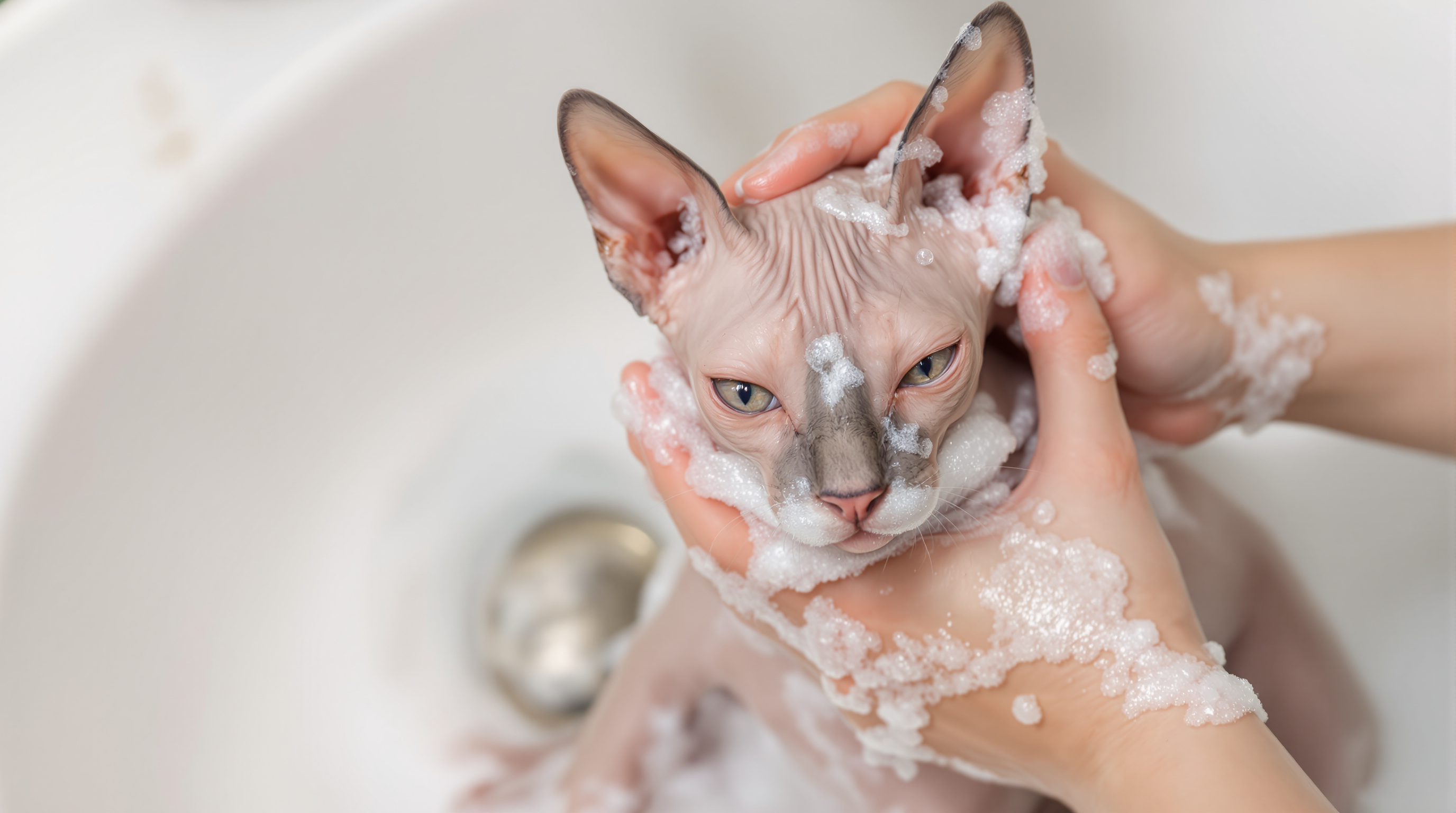
The most significant aspect of hairless cat care is regular bathing. Without fur to absorb natural oils, hairless cats develop a greasy film on their skin that can lead to acne, infections, and unpleasant odors if not properly managed. Most hairless cats require weekly baths, though some may need bathing every few days or can go up to two weeks depending on their individual oil production.
Bathing Steps:
- Prepare: Use warm (not hot) water and a gentle, hypoallergenic cat shampoo
- Wet thoroughly: Start by wetting the cat completely
- Apply shampoo gently: Pay special attention to oil-prone areas
- Focus on folds: Clean between toes, ear folds, and around the neck
- Rinse completely: Soap residue can cause irritation
- Dry carefully: Pat dry with soft towels and keep warm
Temperature Regulation
Hairless cats have a higher metabolism than furry cats, running about 4 degrees warmer. However, without fur insulation, they're susceptible to both cold and heat.
Winter Care:
- Provide heated beds and cozy blankets
- Consider cat sweaters for extra warmth
- Keep indoor temperature between 68-75°F
- Place beds away from drafts
Summer Care:
- Apply pet-safe sunscreen to exposed areas
- Limit direct sun exposure during peak hours
- Provide cool, shaded areas
- Monitor for signs of overheating
The ASPCA recommends keeping indoor temperatures between 65-75°F for optimal comfort.
Ear and Nail Care
Ear Cleaning:
Hairless cats produce more ear wax than furry cats since they lack hair in their ears to filter debris. Clean ears weekly with a vet-approved ear cleaner and cotton balls (never cotton swabs). Gently wipe the visible parts of the ear, removing any brown wax buildup.
Nail Care:
Without fur between their toes, oils and debris accumulate around the nail beds. Clean between toes during bath time and trim nails every 1-2 weeks. Many hairless cats are tolerant of nail trimming when started young.
Nutrition Requirements
Hairless cats have higher caloric needs due to their increased metabolism. They typically eat 2-2.5 times more than similarly-sized furry cats.
Feeding Guidelines:
- Feed high-quality, protein-rich food
- Consider grain-free options to reduce oil production
- Provide fresh water constantly
- Consider a water fountain to encourage hydration
- Monitor weight regularly
Dental Care
Hairless breeds are prone to dental issues, making oral hygiene crucial. Daily teeth brushing is ideal, though 2-3 times weekly is acceptable.
- Use cat-specific toothpaste (never human toothpaste)
- Start slowly to acclimate your cat
- Schedule regular dental check-ups
- Consider dental treats and toys
Environmental Considerations
Create a safe, comfortable environment for your hairless cat:
- Provide soft bedding that won't irritate sensitive skin
- Avoid rough surfaces on cat trees and scratching posts
- Keep your home clean to reduce allergens
- Ensure climbing structures are smooth
- Place multiple warm spots throughout your home
Supporting Your Own Wellness as a Pet Parent
Caring for a hairless cat is rewarding but demanding. The extra grooming routines, vigilant health monitoring, and environmental management require sustained energy and focus from pet owners. Many hairless cat owners discover that maintaining their own physical and mental wellness directly benefits their ability to provide excellent care for their pets.
Energy for Demanding Pet Care:
Hairless cats require more hands-on care than typical cats—weekly bathing sessions, daily skin cleaning, temperature management, and frequent health monitoring. This level of attentiveness is easier to maintain when owners themselves feel energetic and healthy. Consider these aspects of pet parent wellness:
- Physical stamina: Regular bathing and grooming routines require physical energy, especially with active cats
- Mental focus: Monitoring subtle health changes and maintaining consistent care schedules
- Stress management: Balancing pet care responsibilities with work and personal life
- Sleep quality: Hairless cats often seek warmth at night, which can affect owner sleep patterns
Wellness Resources for Pet Owners:
For cat owners interested in optimizing their own health and vitality to better care for their demanding pets, several organizations provide valuable educational resources:
- American Veterinary Medical Association (AVMA): Resources on the human-animal bond and pet owner health benefits at avma.org
- Cornell Feline Health Center: Evidence-based cat care guidance and owner education at Cornell's Feline Health Center
- Oath Peptides: Educational information on research compounds being studied for wellness optimization at oathresearch.com
- UC Davis School of Veterinary Medicine: Comprehensive pet health resources and owner wellness topics at UC Davis Veterinary Medicine
The demanding nature of hairless cat care can be a fulfilling commitment when owners approach it with sustained energy and attention. Recognizing that your own wellness directly impacts your pet's care quality is an important aspect of responsible pet ownership.
Care Summary
Regular grooming and care might seem overwhelming initially, but it quickly becomes routine. The time invested in caring for your hairless cat strengthens your bond and ensures they live a long, healthy life. Most owners find the extra care requirements are far outweighed by the affection and companionship these unique cats provide.